
At LIVE IT, we believe ticketing and marketing work best when they operate as one. That belief has shaped everything I have learned over the past year delivering campaigns for major seasonal events across the UK. We go beyond ticketing to offer integrated marketing services that align seamlessly with ticket sales and customer service, ensuring every part of the customer journey is connected and delivering results. With ticketing specialists and marketing experts working side by side, organisers gain more than a platform. They gain a partner who takes ownership of the full journey, from first awareness to the final ticket scan.
Our approach combines strategic marketing campaigns, sponsor activations, and community engagement initiatives with advanced reporting and real time insights. Every decision is grounded in live data. Every campaign is tied directly to availability, pricing and demand. This fusion of ticketing expertise and marketing insight gives organisers a genuine competitive edge, especially as we move into a more demanding and value driven events landscape in 2026. What follows are my most important learnings from marketing and selling events in 2025, with practical guidance organisers can actually use as they plan for 2026.
Integration is no longer optional
One of the biggest mistakes event organisers still make is separating marketing, ticketing and customer service. When these teams work in silos, campaigns overpromise, capacity is mismanaged, and customer trust suffers.
When ticketing and marketing are fully aligned, campaigns respond instantly to demand. Messaging adapts based on real booking behaviour. Customer service insights feed back into marketing decisions. This is where performance gains happen.
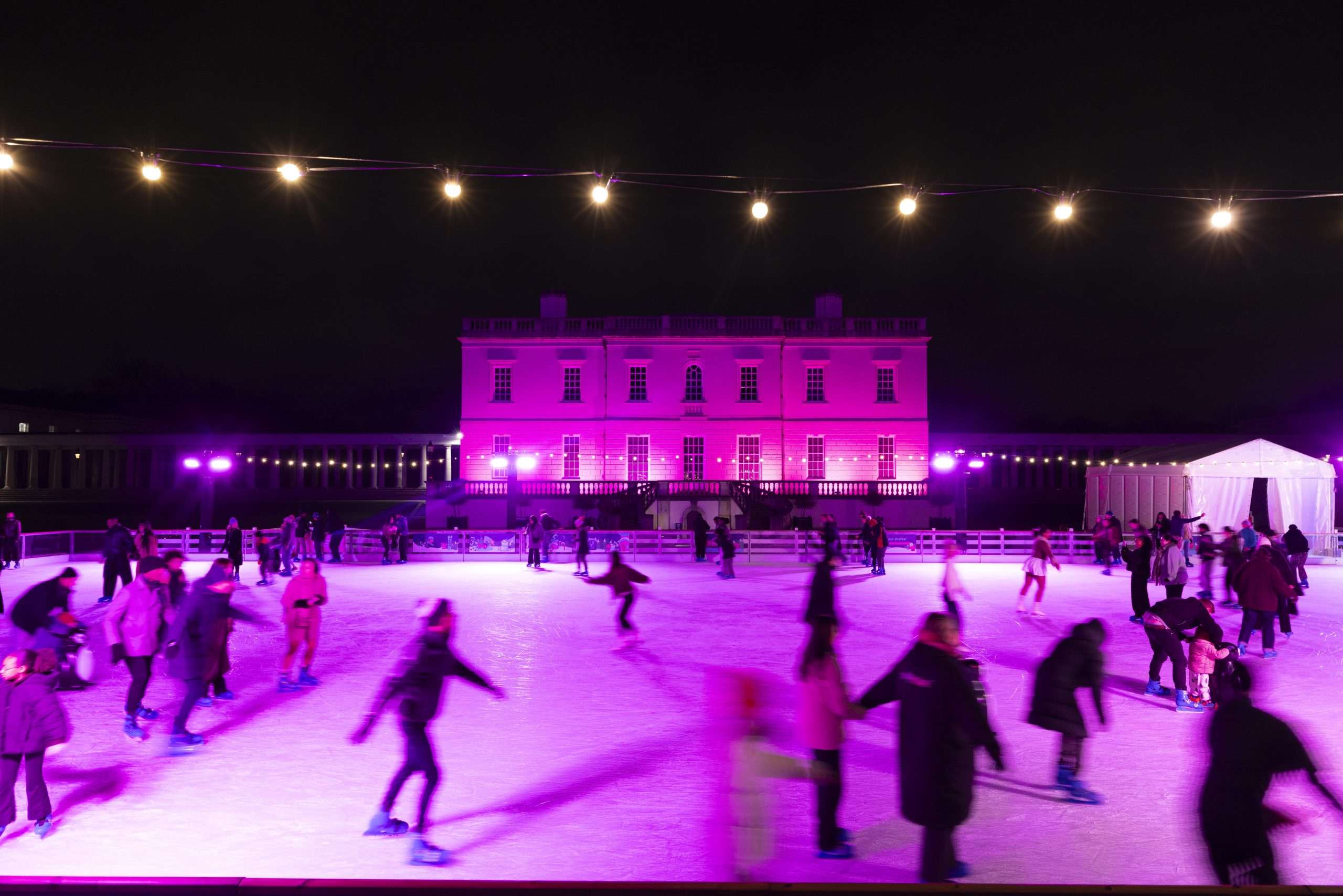
For Skate Manchester, LIVE IT managed ticketing, marketing and customer service as a single integrated function. This allowed us to adjust pricing, offers and messaging in real time, ensuring that every campaign was conversion led and operationally deliverable. Marketing was never disconnected from reality on the ground, and that alignment directly drove stronger sales and higher satisfaction. What organisers can do is choose systems and partners that share live data across teams, align campaign planning with capacity and staffing from day one, and treat customer service feedback as a core marketing input rather than an afterthought.
Community is not a discount tactic. It is a growth strategy
Community engagement is often misunderstood. Too many organisers see it as a cost or a box ticking exercise. In reality, community focused programming is one of the most powerful long term growth tools available. For our clients, community engagement is designed into the core marketing strategy. Off peak sessions, targeted pricing and tailored programming are not just access tools. They are awareness drivers, trust builders and reputation creators.
Partnerships should be built for mutual value
The most successful campaigns in 2025 were not driven by advertising alone. They were powered by partnerships. For our clients, partnerships with local businesses, cultural institutions and city organisations were developed individually, not as generic sponsorship packages. Each collaboration had a clear benefit on both sides, whether that was increased dwell time, cross visitation or shared audiences. Working alongside partners across a city centre ecosystem allows events to feel embedded in the life of the city, not dropped into it. That sense of belonging translats directly into stronger advocacy and repeat visits.
Designing events that genuinely respond to real community needs helps events feel relevant and inclusive rather than transactional. Promoting these experiences through trusted local networks, community groups, and partner organisations builds credibility and reach in ways paid media alone cannot achieve.
Full funnel thinking still matters, but execution has changed
Awareness alone does not sell tickets. Conversion alone does not build brands. The events that performed best combined structured journey planning with flexible execution.
For our clients, activity spans organic content, paid media, public relations, influencer collaborations, email marketing, tourism trade engagement and on site brand experience. None of these exist in isolation. Each channel has a defined role in moving audiences closer to booking, attending and recommending.
Crucially, over the last year, our campaigns were continuously reviewed and refined. Budgets moved toward the channels and messages that were converting. Underperforming activity was paused quickly. This level of responsiveness is only possible when marketing and ticketing data live in the same place. Strong event marketing performance is built on a clear understanding of the customer journey before any campaign goes live, ensuring that every message supports a specific stage from awareness through to purchase. Each channel should have a defined role, whether that is driving discovery, nurturing consideration, or converting demand into ticket sales, rather than trying to do everything at once. Regular performance reviews, ideally on a weekly basis, allow organisers to act decisively, shifting budget, refining messaging, and prioritising the channels that are delivering real results while quickly addressing what is not working.
Social value drives commercial value
One of the clearest lessons from 2025 is that social value directly drives commercial value, as audiences increasingly care about how events show up in and contribute to their communities. Accessibility, inclusion and authenticity are no longer optional extras but central to building trust and long term demand. At Skate Manchester, working with partners such as Octopus Energy enabled more than 2,500 people from local communities to skate for free, which was not simply a goodwill gesture but a meaningful access initiative that strengthened advocacy and positioned the rink as an inclusive, city backed experience with real social impact. That credibility translated into tangible commercial outcomes through higher engagement, stronger reviews and increased confidence among paying customers, reinforcing the reality that genuine access initiatives, clearly communicated impact and a strong reputation are powerful drivers of success.
Feedback is part of the marketing loop
Marketing does not stop at purchase, and the events that built the strongest momentum in 2025 treated customer feedback as live marketing intelligence rather than retrospective reporting. By integrating structured review capture into post visit communications, Skate Manchester achieved a 4.9 average rating, making it on of the highest rated ice rink experiences in the UK this season. Reviews were not simply collected but actively monitored and acted on in real time, allowing issues to be resolved quickly and positive experiences to be amplified. Capturing feedback while experiences are fresh, responding quickly and visibly, and using reviews as both insight and marketing content helps build trust, strengthen reputation, and directly support ongoing ticket sales.
Looking ahead to 2026
The events landscape is becoming more competitive, more values driven and more data led. Success in 2026 will belong to organisers who treat marketing, ticketing and customer experience as one connected system, who invest in communities and partnerships, and who are willing to adapt quickly based on real world insight.
At LIVE IT, we have seen firsthand that when these principles are applied consistently, events do not just sell tickets. They build loyalty, reputation and long term growth.
For organisers planning the next season, the message is clear. Think integrated. Think local. Think long term. That is where sustainable success now lives.
Event Planning Tips & Tricks:
Get advice, ideas, and inspiration for your next event and take your planning, marketing, and ticketing game to the next level.
The Anatomy of a High-Converting Event Page: 5 Must-Haves
You have crafted the perfect event, secured brilliant speakers, and planned every detail down to the minute. You launch your marketing campaign, driving hundreds of potential attendees to your event page. But then, you look at your analytics: traffic is high, but...
Ticketing Fees Under the Spotlight: What the Debate Means for Event Organisers
Recent headlines and public debate have brought ticketing fees into sharp focus, with particular attention on the practices of dominant global platforms and the way fees are applied and disclosed at scale. High-profile, on-sales and consumer backlash have amplified...

Making Events Truly Accessible: LIVE IT’s Integration with Nimbus Disability
Accessible events shouldn’t be an afterthought. Accessibility should be built into the very fabric of how events are designed, marketed, and experienced. That’s why LIVE IT’s integration with Nimbus Disability is such an important step forward not just for event...
Feature Focus:
Take a deep dive into the features that make our ticketing platform so well-loved by organisers and learn how best to use them.
LIVE IT Features Update – August 2023
We've added lots of big new features to our ticket sales platform lately, but we're also constantly hard at work improving what already exists, and adding smaller functions that make selling and scanning tickets even easier. Here's a quick roundup of what's been added...

Feature Focus: AI Assist for Event Descriptions
Make writing engaging and SEO-optimised event listings a breeze with LIVE IT's new ChatGPT integration. Writing descriptive, engaging and SEO-optimised event listings has long been a time-consuming and tricky part of setting up ticketing pages. That’s why LIVE IT have...

Feature Focus: Calendar and Time-slot Bookings
Make selling regular events a breeze with LIVE IT's easy to set-up and customer friendly booking platform. If you have a regular or recurring event, managing booking pages can be a pain. You can find yourself creating hundreds of pages for every possible date and time...