
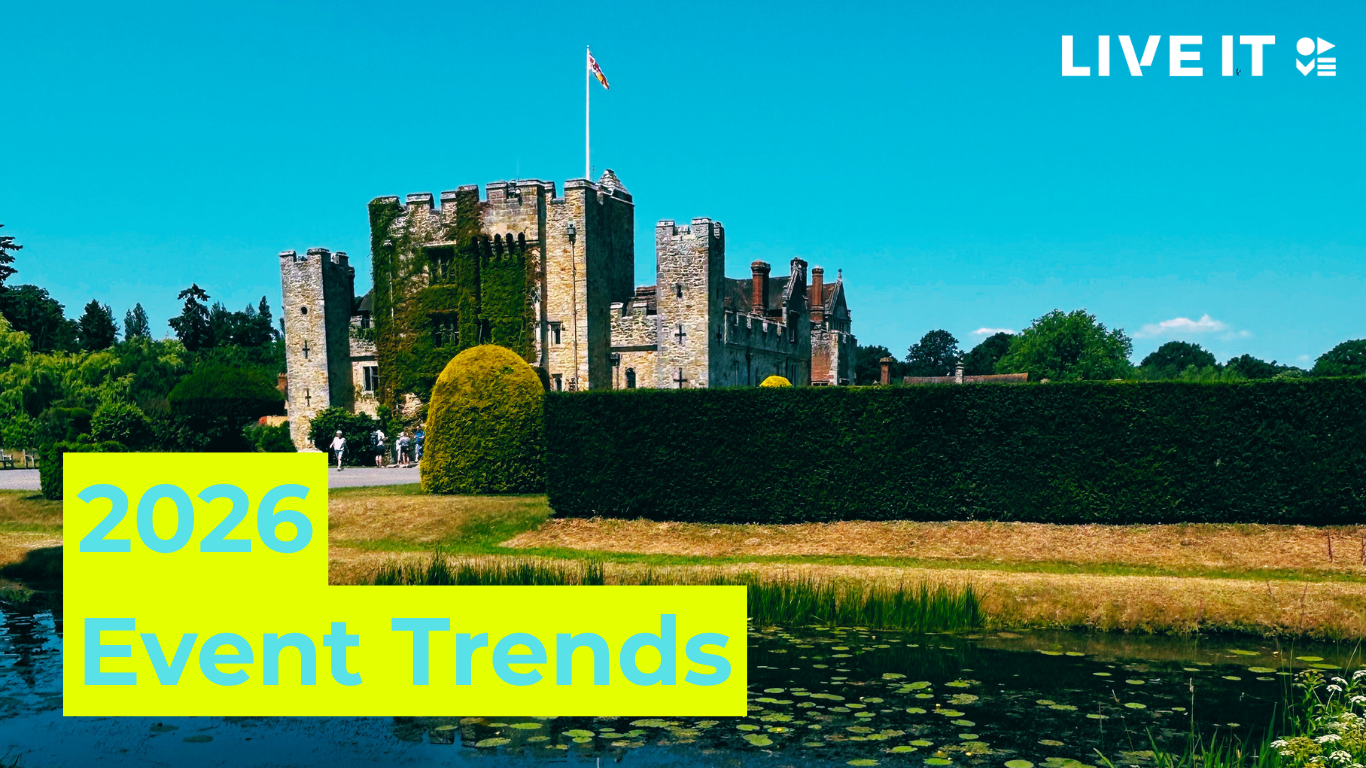
2026 is shaping up to be the year of precision demand-shaping: attractions and seasonal events will win by directing who comes, when they come, and how much value they capture per visit. Below are the biggest shifts to plan for, followed by a concrete ticketing playbook you can implement now.
1) Demand stays resilient, but more uneven
Global travel fully rebounded through 2024 and kept growing into 2025, with international arrivals surpassing 2019 in the first half of 2025. That resilience continues into 2026, though spend is more mixed by market and season. Great for operators who can shape demand into quieter windows.
In the UK specifically, big destinations recovered further in 2024 but most have not yet reached 2019 volumes; another nudge to work demand into shoulder periods and locals.
2) Revenue management goes mainstream
Attractions leaders increasingly cite revenue management: new price products, better packaging, and smarter capacity use, as a top lever for 2026 growth, alongside continued operational constraints (workforce and cost pressure). Expect wider adoption of date/slot-based pricing, controlled capacities, and upsell pathways.
3) The new “immersive” is multi-sensory, social, and seasonal
Immersive experiences keep evolving: environmental/biophilic design, themed food & beverage, wellness overlays, and nostalgia-led IP are drawing repeat visits, especially when tied to limited-time seasons.
4) Cost-of-living sensitivity changes how guests buy
Travel intent remains healthy, but many households cap spend per trip. Guests respond to transparent offers, bundles, and value ladders (good/better/best tiers), pushing operators to surface value clearly and let people pre-plan spend.
5) Operational wins: timed entry, flow, and dwell time
Timed entry matured from a crowd-control tool into a guest-experience and spend lever: better flow means higher satisfaction and more time for retail/F&B. Museums and attractions using time slots report smoother peaks and better forecasting.
The Ticketing Playbook for 2026 Growth
Below is a practical, platform-agnostic approach you can implement in any modern ticketing stack.
A) Time & Price Architecture
Start by structuring timed entry in 15–30 minute blocks. Set a target utilisation per block – typically 75–85% based on forecast – and keep a small reserve of backup micro-slots you can open when demand surges. This keeps queues short and throughput smooth. Aim for an average wait of ten minutes or less; with better flow and a little extra dwell time, you should also see retail spend per visit rise by roughly five to ten percent.
Next, introduce date – and slot – based pricing. Define clear Good/Better/Best price bands by day of week and time of day, and use advance-purchase discounts that taper as the visit date approaches. Protect access for residents, local audiences, and schools with stable value tiers. As consumer expectations evolve, be ready to expand variable pricing thoughtfully, particularly around peaks, while keeping transparency and fairness front and centre.
Treat capacity itself as a product. Monetise quieter periods through sensory-friendly sessions, photography mornings, wellness evenings, or other themed moments. You can also programme short, after-hours micro-events that repurpose your existing infrastructure to create urgency and repeat visitation without heavy operational lift.
B) Conversion & Yield Mechanics
For groups, let discounts scale automatically as party size increases. Set the breaks at operationally meaningful points such as 6+, 10+, or 20+ and make it easy for organisers to place self-serve holds that expire if unpaid, with a simple payment link to confirm. Where relevant, offer coach-parking time slots as an add-on for schools and tour operators to reduce friction and encourage larger bookings. events
Use smart, segment-based discount codes to steer demand into the right times. Create audience-specific codes for locals, partner members, students, or seniors that only apply on selected days (for example, Monday to Thursday), at certain times (such as last entry), or to specific product types (like bundles). Rotate these codes seasonally, retire underperforming ones automatically, and monitor redemption to prevent leakage.
Build a clear value ladder with bundles and add-ons. Offer one-click packages such as “Ticket + Hot Drink,” “Ticket + Skates” for ice rinks, or “Ticket + Planetarium” for museums, and anchor your range with a Premium tier (priority entry and a perk like a photo or lounge access) and a Saver tier (last-slot value). Encourage pre-purchase of add-ons like parking, lockers, rental kits, photo packages, or F&B vouchers with a modest pre-buy incentive. Set attach-rate targets for each add-on so your team can optimise placement and messaging over time.
Finally, widen the pathway for repeat visits. Introduce memberships, season passes with blackout dates (a “Lite” option), and multi-visit packs that can be redeemed across partner venues in the same city. This not only lifts lifetime value but also helps smooth demand across the calendar.
C) Marketing Acceleration
Use timed offers to flatten the peaks and lift the troughs. “Blue Hour” pricing for the first 90 minutes of the day, or “Beat the Rush” discounts for early afternoons, can nudge guests into lower-occupancy windows. During checkout, automatically surface the nearest low-occupancy time slots so customers can switch easily if their preferred slot is close to capacity.
Amplify reach with trackable affiliate and influencer codes tied to individual partners. Compensate on net-new transactions and apply capacity guardrails so you never oversell specific slots. Support this with strong conversion safety nets: a three-touch cart-abandonment flow that suggests the closest available times, and an automatic waitlist for sold-out slots that offers adjacent alternatives first. Together, these tactics recover lost baskets and keep your inventory moving. events
D) Guest Experience & Operations
Make entry and payment mobile-first. Offer wallet passes (Apple and Google), ensure scanners work offline, and enable tap-to-pay upsells on site so guests can add products without friction. Instrument your flow: use time-stamped slot check-ins and POS data to model dwell time, identify queue hot spots, and tune slot sizes weekly based on what you learn.
Keep accessibility and community access visible and genuine. Schedule dedicated sensory-friendly sessions, provide caregiver tickets where appropriate, and signpost quiet spaces and access features clearly in pre-visit communications. Underpin all of this with solid data foundations: maintain a single customer view across web, POS, and membership, and ensure your attribution connects the dots from campaign to slot selection to secondary spend. That way, every pricing, capacity, and marketing decision is anchored in measurable outcomes. events
CONTACT OUR TEAM BELOW FOR A FREE CONSULTATION:
Event Planning Tips & Tricks:
Get advice, ideas, and inspiration for your next event and take your planning, marketing, and ticketing game to the next level.

The Event Organiser’s Cheat Sheet to Building a Loyal Audience
In the fast-paced landscape of event management, many organisers find themselves trapped on a transactional treadmill and forget about their audience. They launch an event, pour their entire budget into acquiring ticket buyers, execute the experience, and then...
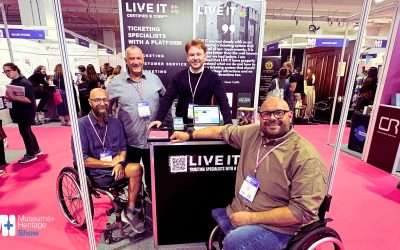
What the Museums + Heritage Show Told Us About Ticketing, Tech, and the Future of the Sector
A couple of weeks ago, members of the LIVE IT Ticketing team headed to Olympia, London for the Museums + Heritage Show 2026. With over 3,400 attendees, 90 expert speakers, and 175+ exhibitors packed into two days, it is one of UK’s biggest gathering of professionals...

Museums & Heritage Show 2026: Advancing Ticketing & EPOS Solutions with LIVE IT & Lightspeed
This week, the LIVE IT team is heading to Olympia London for the Museums & Heritage Show 2026 (13–14 May) - the UK’s leading event for heritage and cultural professionals. We’re excited to showcase our integration with Lightspeed and look forward to sharing what...
Feature Focus:
Take a deep dive into the features that make our ticketing platform so well-loved by organisers and learn how best to use them.
Selecting a Ticketing System: A Practical Guide for Venues, Attractions, and Immersive Experiences
Revolutionize your events in 2024 with these impactful resolutions. Elevate experiences and stay inspired.
AI and the Future of Visitor Management: A Case Study from LIVE IT and Hever Castle
Revolutionize your events in 2024 with these impactful resolutions. Elevate experiences and stay inspired.

2025 Event Planning: 7 Proven Tools & Tips for Seamless Success
2025 Event Planning: 7 tools to help you succeed.